
Concrete & Pressure Hoses

WIDE COMPATIBILITY
Solutions for diverse RF applications

HIGH PERFORMANCE
Engineered for superior signal integrity

QUALITY ASSURANCE
Strict quality control & testing standards

TECHNICAL SUPPORT
Expert support from our engineering team
Our Product Range
Concrete Pump Rubber Hose
Concrete hoses are built with three-layer construction: inner tube, reinforcement, and cover.
- High abrasion-resistant inner tube
- Steel wire or fabric reinforcement
- Flexible and kink-resistant design
- Weather and ozone-resistant outer cover
Steel Wire Reinforced Hose
Designed for high-pressure applications
- Multi-layer high tensile steel wire
- Superior pressure resistance
- Ideal for long-distance pumping
- Strong durability in heavy-duty us
Fabric Reinforced Hose
Lightweight and flexible solution for easier handling.
- Polyester cord reinforcement
- Reduced operator fatigue
- Flexible and easy to maneuver
- Suitable for medium-pressure applications
Flexible End Hose
Used at the end of pump booms for precise concrete placement.
- High flexibility
- Easy positioning
- Manual handling capability
- High wear resistance
Gunite / Shotcrete Hose
Specialized for dry material transfer.
- Tunnel reinforcement
- Mining
- Swimming pool construction
- Refractory and repair work
Reliable Performance
Key Technical Specifications for Your Needs
Our products are built to handle tough conditions, with specifications you can count on:
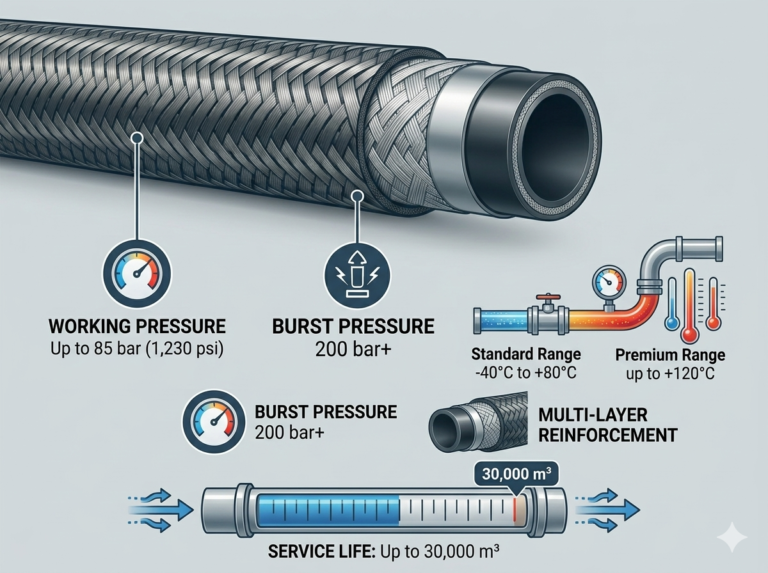
- Working Pressure: Up to 85 bar (1,230 psi)
- Burst Pressure: 200 bar+
- Standard Temperature Range: -40°C to +80°C
- Premium Temperature Range: Up to +120°C
- Diameter Options: 2″ – 6″ / DN100–DN150
- Available Length: 2 m – 6 m standard
- Service Life: Up to 30,000 m³
These specifications ensure reliability and durability in various applications.
Global Supply Capability
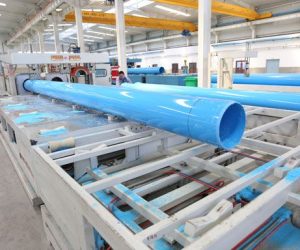
Bulk Production Capacity
Helios ensures high-volume manufacturing with consistent product quality.
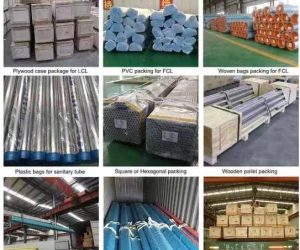
Export-Ready Packaging
Helios provides secure and reliable packaging for global shipments.
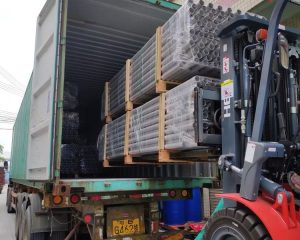
Timely Delivery
Helios maintains efficient production and on-time order dispatch.

Global Quality Standards
Helios products are manufactured under strict global quality standards.
FACTORY & QUALITY ASSURANCE
Modern Factory
Advanced production systems
Quality Testing
Strict inspection standards
Durable Performance
Reliable heavy-duty operation
Applications
- Building construction
- Bridge & tunnel engineering
- Infrastructure projects
- Mining operations
- Shotcrete & repair works
Why choose us
- High abrasion resistance
- Long service life
- Excellent flexibility
- Anti-kink design
- High pressure safety
safety guidelines
- Avoid excessive bending or kinks during use
- Use only for abrasive materials — not chemicals
- Store in dry, cool conditions away from sunlight
- Follow FIFO usage (first-in, first-out rotation)
- Inspect hose ends and body before every operation